

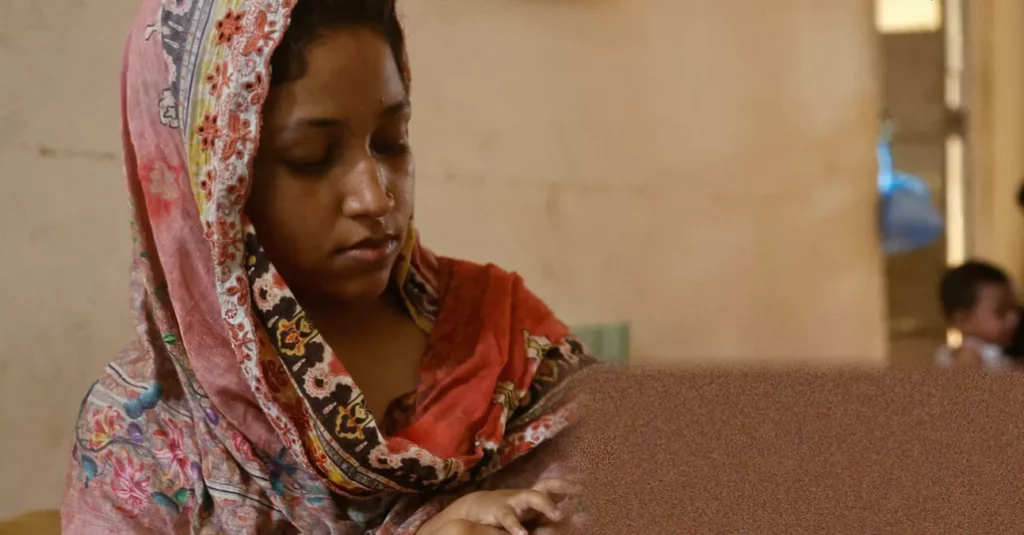
Bangladesh is confronting its most severe measles outbreak in years, with the death toll among children now exceeding 130, according to recent reports. Public health experts have described the situation as an epidemic, with around 9,000 patients currently battling the disease across the country.
A National Health Emergency
Since mid-March, over 900 cases have been confirmed from more than 7,500 suspected infections, marking a drastic surge from the 68 cases recorded in the same period last year. Official data shows over 2,300 children were hospitalised with suspected measles this year, with 56 districts severely affected. The capital, Dhaka, is the hardest-hit area, with the Infectious Disease Hospital there recording 21 deaths, the highest single toll in the country.
A particularly alarming trend is that one-third of those affected are infants below nine months old, an age group not yet eligible for routine vaccination. Rana Flowers, the UNICEF representative in Bangladesh, stated this highlights “critical immunity gaps, particularly among zero-dose and under-vaccinated children,” while infections among these very young infants are “especially alarming.”
Why Vaccination Armour Has Cracked
The resurgence of measles, a highly contagious and potentially fatal airborne disease, is directly linked to falling vaccination rates and significant disruptions in Bangladesh’s immunisation programme. While the country has a storied history of successful mass vaccination—raising coverage from 2% in 1979 to over 80% today—even small setbacks can have grave consequences. The UN states that 95% of a population must be vaccinated to prevent the disease from spreading, a target Bangladesh has recently missed.
The newly elected government, led by Health Minister Sardar Mohammed Sakhawat Husain, has attributed the crisis to mismanagement by previous administrations. The political turmoil following the toppling of Prime Minister Sheikh Hasina in an uprising in August 2024 was a critical breaking point. The subsequent interim government, led by Muhammad Yunus, oversaw a period of disrupted governance that severely impacted public health.
During this time, bureaucratic delays, cancelled procurement plans, and a shift away from established partnerships with international vaccine providers led to critical shortages. According to Dr. Nizam Uddin, Chairperson of the Steering Committee of Gavi, routine immunisation services have been disrupted for nearly a year. The shortages affected not just measles-rubella vaccine, but also stocks for polio, tuberculosis, and diphtheria. The result was a gradual accumulation of unprotected children, with valid full vaccination coverage by 12 months dropping from 83.9% in 2019 to 81.6% in 2023.
This local crisis mirrors a dangerous global trend. In 2024, the world saw an estimated 11 million measles cases and 95,000 deaths, mostly among unvaccinated young children. Countries like Canada have lost their measles elimination status, and the United States reported over 2,200 cases in 2025—its worst outbreak in decades. Waning vaccination rates, misinformation, and funding cuts have left populations vulnerable worldwide.
An Emergency Drive to Close the Gaps
In response, the government, in partnership with the United Nations, the World Health Organization, UNICEF, and Gavi, has launched an emergency measles-rubella vaccination drive. The campaign initially focuses on immunising over 1.2 million children aged six months to five years in 30 high-risk sub-districts across 18 districts, before a planned nationwide expansion.
Authorities are urgently advising parents to seek immediate hospital care for children with high fever or suspected measles symptoms, rather than relying on local pharmacies. The government has also appealed to the vaccine alliance Gavi for additional stocks and approved emergency funding to procure more doses, amid reports of shortages in syringes and existing vaccine stocks.
The challenge is immense. Bangladesh had once aimed for measles and rubella elimination by 2020 and has conducted massive vaccination campaigns in the past, including one in 2014 that reached almost 53 million children. The current drive is a critical attempt to rebuild the community protection shattered by political instability and systemic gaps, aiming to prevent further loss of young lives to a preventable disease.