

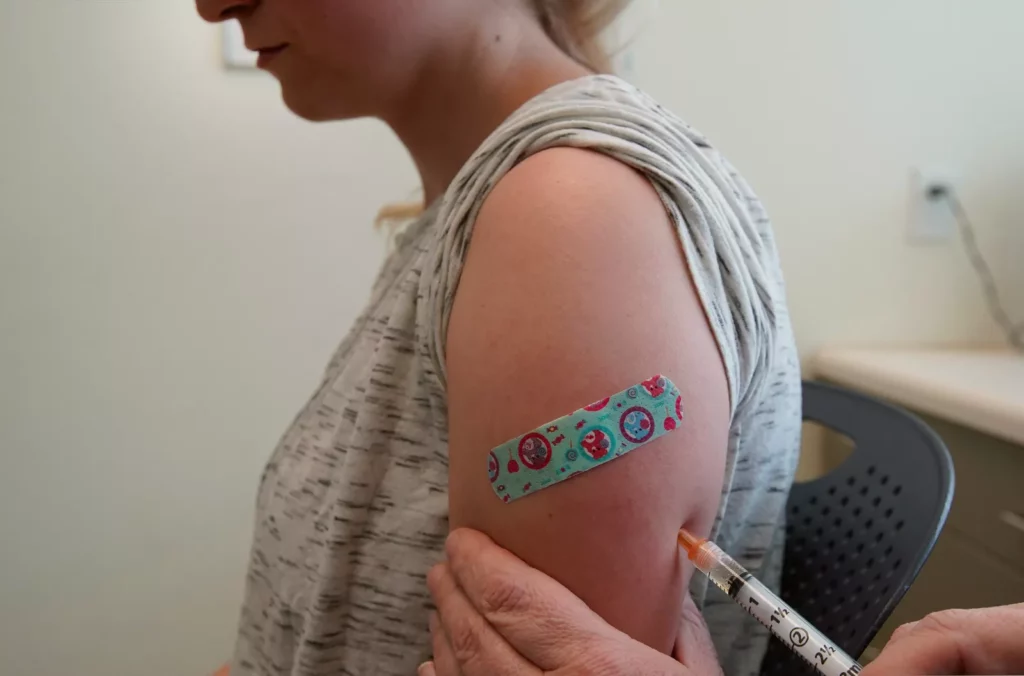
The state of Utah has become the new epicentre of measles in the United States, now leading the nation with more than 600 confirmed cases, according to the latest public health data.
These local figures contribute to a troubling national resurgence, with the US Centers for Disease Control and Prevention (CDC) reporting 1,748 confirmed measles cases across the country so far in 2026. This follows a record-setting 2,288 cases in 2025, the second-highest annual count in a quarter-century. Health officials warn the nation is now at risk of losing the measles elimination status it has held since 2000, with a formal assessment expected later this year.
A National Slide in Protection
The surge is fuelled by a widespread decline in the vaccination rates that once kept measles at bay. A Johns Hopkins University study published in June 2025 revealed a national drop in measles, mumps, and rubella (MMR) vaccination among children since the COVID-19 pandemic began. The research, analysing data from 33 states, found the average county-level vaccination rate fell from nearly 94% pre-pandemic to just over 91% afterwards, dipping below the 95% threshold needed for herd immunity.
This trend is starkly visible in several states. Idaho now has the lowest rate of measles vaccinations among kindergarteners in the US, at approximately 78%, while Wisconsin’s rate has fallen to 84.8%. Both are well below the national average of 92.7%. Recent large outbreaks in Texas, with 762 cases in 2025, and South Carolina, which has confirmed 789 cases since September, have predominantly affected unvaccinated individuals, many of them children.
How Measles Spread in Utah
Utah’s own outbreak, which began in June 2025 and accelerated last August, has followed a different pattern to some previous ones. While earlier clusters were often concentrated in tight-knit unvaccinated communities, state health data indicates the Utah virus has spread more widely through the general population.
Transmission has been traced to numerous public locations, including grocery and big-box stores, a play at Uintah High School, the Fiesta Fun Family Center in St. George, and the University of Utah. The highly contagious virus, which can linger in the air for up to two hours, also led to exposures at Latter-day Saints temple events. Public health authorities are even monitoring wastewater to track the virus’s movement.
The outbreak’s severity is becoming clear. Dr. Leisha Nolen, Utah’s state epidemiologist, has repeatedly sought to dispel the dangerous myth that measles is a mild illness. “Over and over again, what I heard from these people who had measles, as well as the providers, was that measles is so much worse than what they expected,” Dr. Nolen stated. “It is not a mild infection, it is not a mild virus, it is severe illness.”
Of the 358 confirmed cases tallied by early March, over 120 people had been hospitalised, with 31 requiring overnight stays and three in intensive care. In Salt Lake City, health department spokesman Nicholas Rupp confirmed 14% of cases require hospitalisation. Almost two-thirds of Utah’s cases have been in children under 18.
The Core Problem: Misinformation and Exemptions
Public health experts point to a common factor behind the suffering: the vast majority of those falling ill are unvaccinated. More than 510 of Utah’s 602 cases are in people who had not received the MMR vaccine. Nationally, federal data shows 92% of patients were unvaccinated.
This gap in protection persists despite clear evidence of the vaccine’s safety and efficacy. Two doses of the MMR vaccine offer 97% protection from infection, according to the CDC. While Utah law requires public school students to be vaccinated, it also allows parents to opt out for personal, religious, or medical reasons. The state’s non-medical exemption rate for young children is higher than the national average.
Misinformation about both the disease’s severity and the vaccine’s safety is cited as a key reason people forego vaccination. This backdrop has fuelled legislative efforts to alter exemption processes. In January 2026, a Utah House committee rejected a bill that would have made it easier to obtain exemptions by removing a requirement for parents to complete an online education module.
The stance of The Church of Jesus Christ of Latter-day Saints adds a complex layer. The Church has a long history of supporting global measles vaccination campaigns, donating millions and mobilising members since 2003 in partnership with organisations like UNICEF. It has urged members to protect children through immunisation. However, some interpretations within the faith community emphasise personal choice, noting listed potential side effects, which can be seized upon by anti-vaccination advocates.
Dr. Hilary Hewes, an emergency paediatrician at University of Utah Health, underscores the simple maths of public health. “Herd immunity weakens when vaccination rates drop below 94-95%,” she said. The CDC reiterates that vaccination is the best protection, advising those unsure of their status to get a dose, as an extra shot is safe.
While the weekly national case count has fallen from a peak of 295 in January to just 10 by mid-April, the damage from this outbreak is measured in hundreds of hospitalisations and a stark warning about the fragility of public health defences when vaccination rates wane.